Зміст
Starting scene
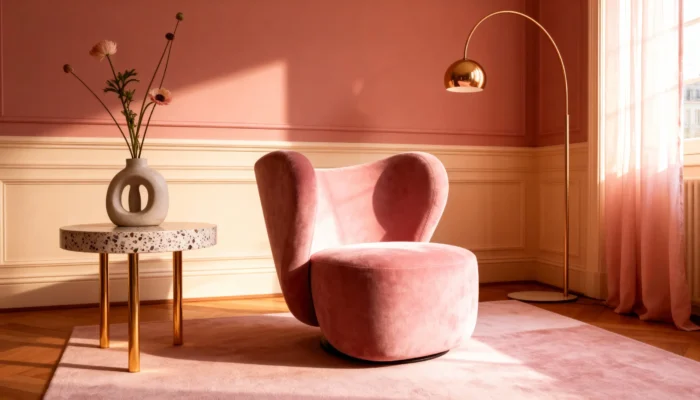
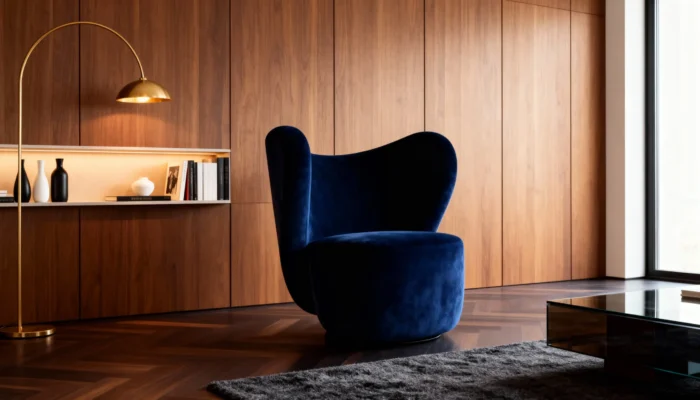
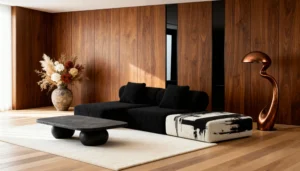
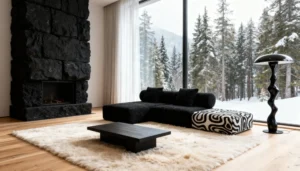
You enter an apartment where everything seems simple. But your gaze stops. The sofa doesn’t “scream”, but it sets the rhythm. The armchair doesn’t dominate, but it attracts. This is not a coincidence – it is designer furniture, created as part of a life script, not as separate objects.
What designer furniture really means
Designer furniture is furniture created for the space and the person, not for the warehouse.
It’s about a balance of form, function and technology, where every decision has a reason.
How do they differ from the mass segment?
The difference is not in the price, but in the logic of creation.
Massmarket solves the average problem. Furniture design studio works with a specific context.
adaptation to the geometry of the room
control of proportions and fit
possibility of customizing parts
long-term relevance of design
The role of the studio, not the catalog
The design furniture studio thinks systematically.
Furniture is considered as part of an interior ecosystem, not as an isolated product.
How a furniture design studio works
The process begins not with a sketch, but with questions.
This is what distinguishes the studio approach from the factory approach.
Analysis of space and life scenarios
We don’t design furniture, but behavior in space.
Movement, light, points of concentration and rest are taken into account.
3D visualization before production
You see the result before the first cut of the material.
This removes doubts and allows you to adjust decisions at an early stage.
KAIZEN approach:
Every element can be made a little better—in shape, proportion, touch. It’s these little things that make up a complete design.
Custom-made designer furniture: when it’s justified
Customization makes sense when standard solutions don’t work.
It’s not about luxury, it’s about conformity.
Non-standard layouts and accent zones
Accent furniture shapes the character of a room.
That is why sofas or armchairs are often ordered as the visual center of the space.
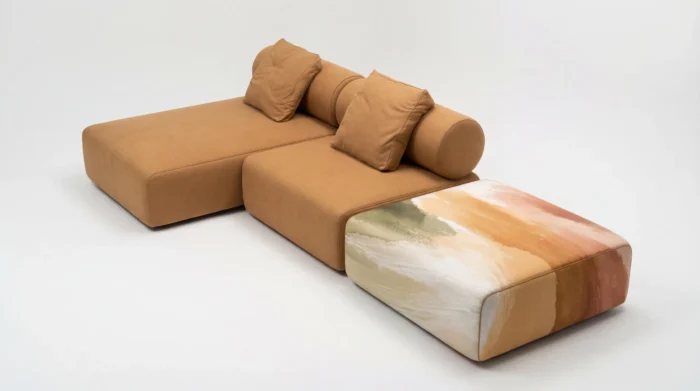
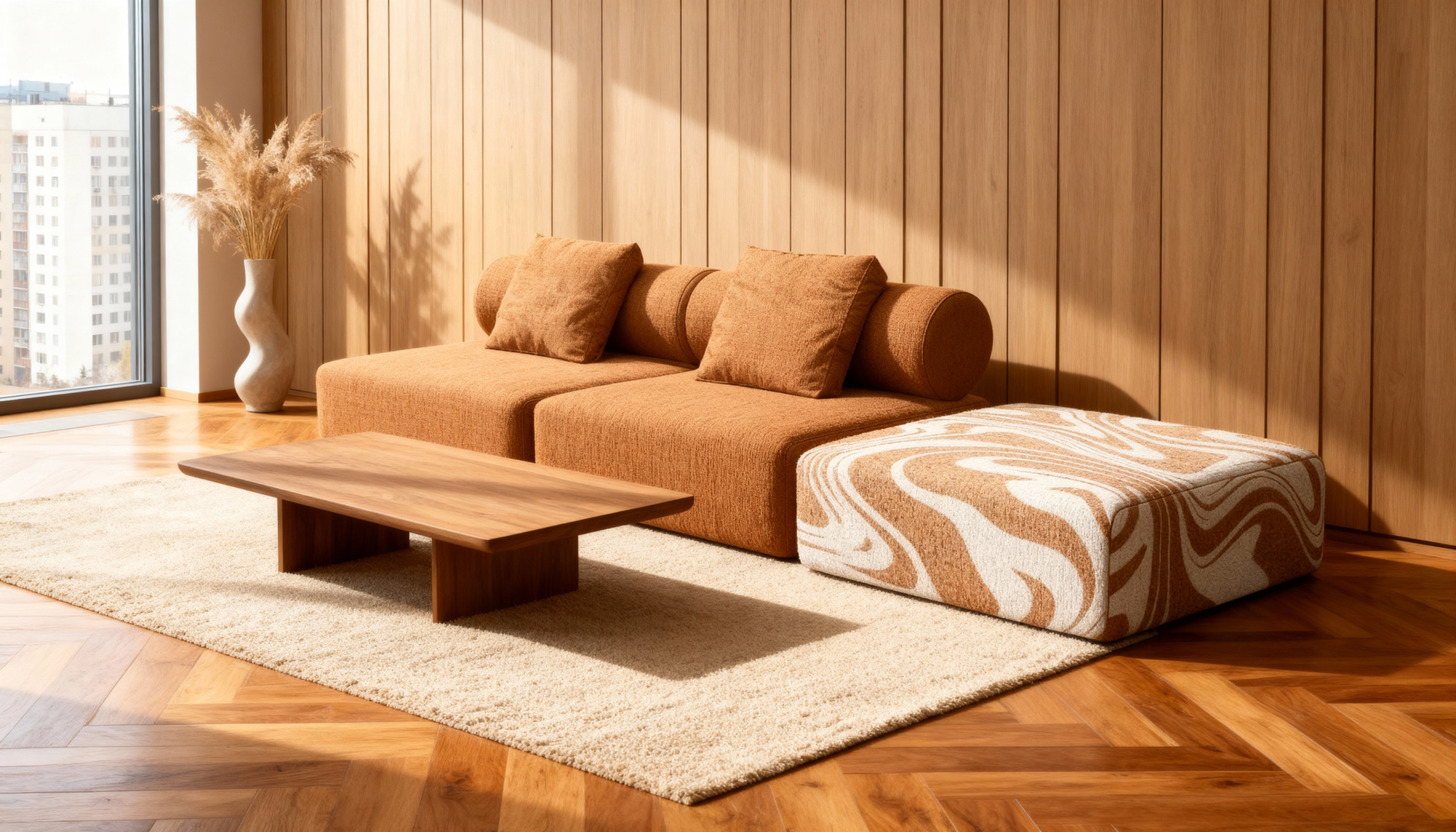
When a space requires individual scale and logic, it is worth considering custom-made sofas as the basis of the living room composition.
Customization and custom prints
Furniture can be a carrier of ideas.
Printing author’s prints allows you to integrate the owner’s character into the interior without overloading.
Ergonomics and materials: what is not visible in the photo
Comfort starts with the design, not the fabric.
This is where the expertise of the designer-manufacturer comes into play.
Fit, angles, depth
Incorrect seat depth devalues any design.
We work with the body, not with abstract numbers.
Working with fabrics and shapes
Mastery — in the combination of tactility and durability.
This is especially important for models on legs, where the shape is read from all sides.
For interiors with visual lightness, they work well straight sofas on legs — they do not overload the space and retain air.
Next-generation functionality
Modern designer furniture solves more than one problem.
Storage, mobility, transformation — without compromising on form.
Compact solutions for life on the move
The function should not be noticeable.
It should work quietly while you live your life.
In small spaces, solutions such as pouf with niche — minimum space, maximum benefit.
Table: standard vs designer furniture
| Criterion | Standard furniture | Designer furniture |
|---|---|---|
| Adaptation to the space | Limited | Complete |
| Ergonomics | Average | Individual |
| Visual role | Background | Accent |
| Customization | Minimum | Flexible |
| Long-term relevance | Low | High |
How to choose designer furniture consciously
The key is not in style, but in answering the right questions.
Practical selection criteria
Does the furniture solve a specific problem?
how they interact with space
Is there a reserve for future changes?
Common mistakes
The most common mistake is focusing only on the visual.
Design without function quickly becomes boring.
FAQ — answers to frequently asked questions
Is designer furniture suitable for small apartments?
Yes. It is individual solutions that allow you to work effectively with limited space without visual noise.
Is it necessary to have a design project?
No. A furniture design studio can work both independently and in integration with a finished project.
What are the benefits of 3D visualization?
It allows you to see proportions, interactions, and errors before production, saving time and resources.
Won’t this design get boring over time?
Minimalist and functional solutions age slowly if they are created with context in mind.
When is designer furniture inappropriate?
When a quick temporary solution is needed without integration and long-term requirements.
Conclusion
Designer furniture is a tool for conscious living in space.
When furniture works for you, and not the other way around, the interior ceases to be a decoration and becomes a system.