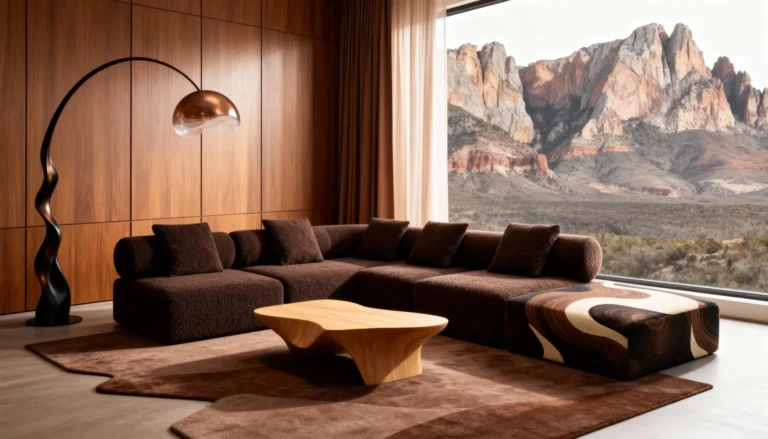
Sofas for visitors as part of the brand experience
The light comes in low, almost horizontally. It passes through a large window and rests against the mountains – massive, calm, unchanging. The stone behind

The light comes in low, almost horizontally. It passes through a large window and rests against the mountains – massive, calm, unchanging. The stone behind
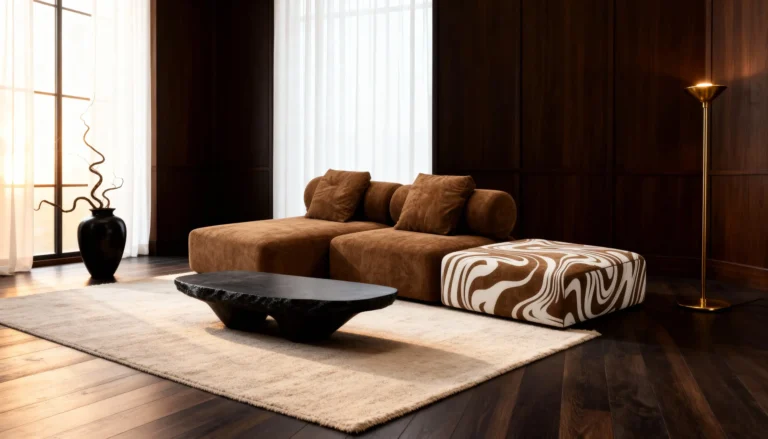
Waiting room sofas are not just furniture, they are part of the experience of a space. They reduce tension, build trust, and help you experience the pause with peace of mind. Learn how waiting room sofas work in business and public spaces.
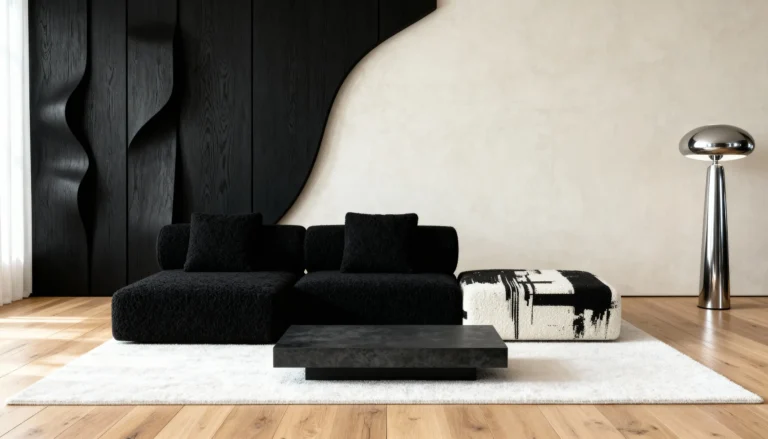
Corporate-style sofas create a space that works for the brand without words. Read and discover the logic of solutions.
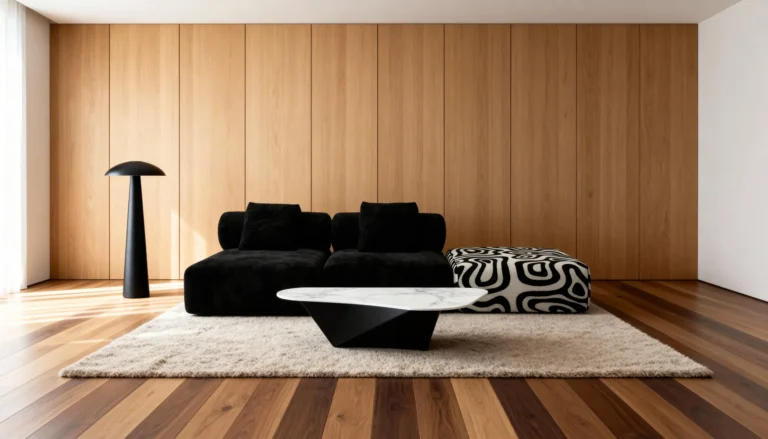
Corporate sofas create a sense of order and inner rhythm in a business space. They do not attract attention, but rather support a state of concentration in which it is easier to work, make decisions, and build trust. Such sofas become part of a mature corporate culture.
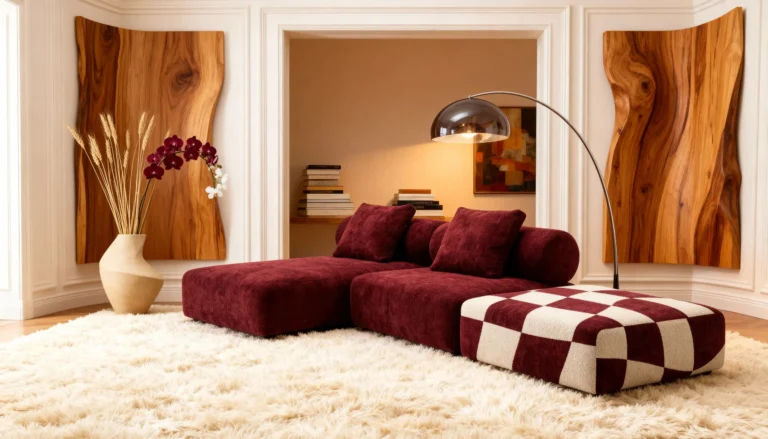
Printed sofas are furniture that work as a focal point of the interior and a branding tool. Printed sofas shape the space, combine with corporate style, HoReCa and offices. Custom print is a strategic solution, not just a decor.

The state before the object appears The morning is not yet in a hurry. The light glides over the wood, warm and soft, as if
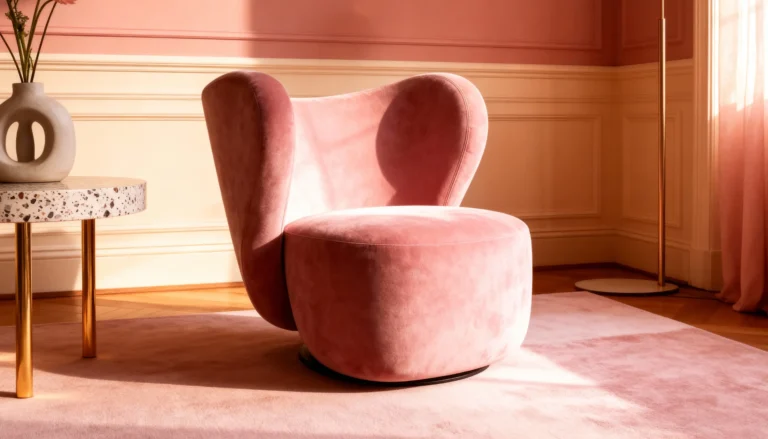
She stood in the middle of the living room with a cup of cold coffee, looking at a space that seemed to have everything right—the sofa, the table, the lights—but no sense of completion. The interior was functional but “flat.” It was at this point that a dilemma familiar to many arises: can one object transform a room without overwhelming it? The answer often lies where you least expect it—in an accent chair.

How to choose furniture for a modern interior so that the space works as a system, not a collection of random objects. Practical principles, scenarios and the KAIZEN approach.
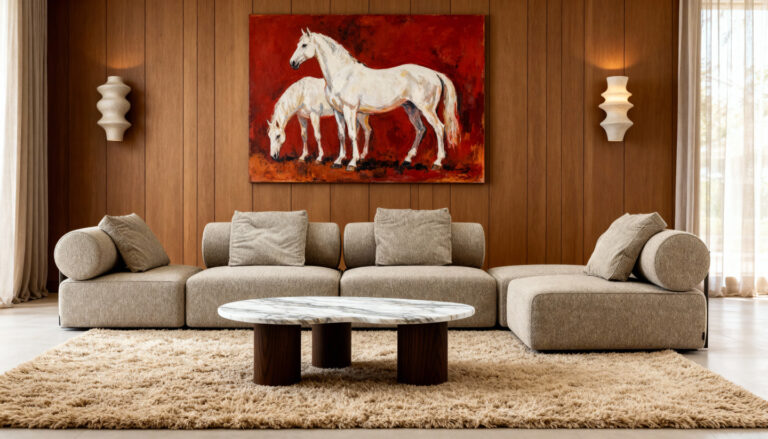
Custom-made furniture is a way to create an individual interior, where each item works for space and style. The article discusses the logic of the process, mass market mistakes, and the KAIZEN approach.