Зміст
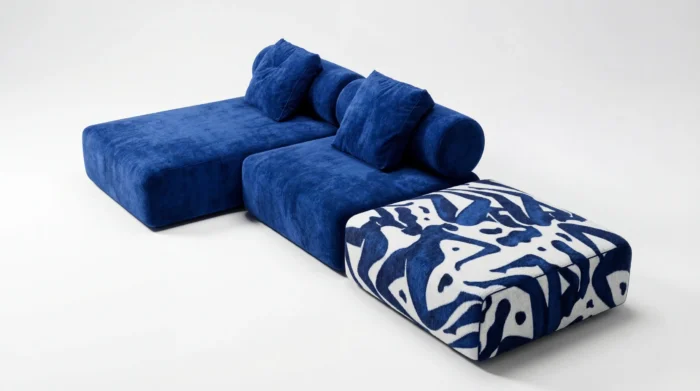
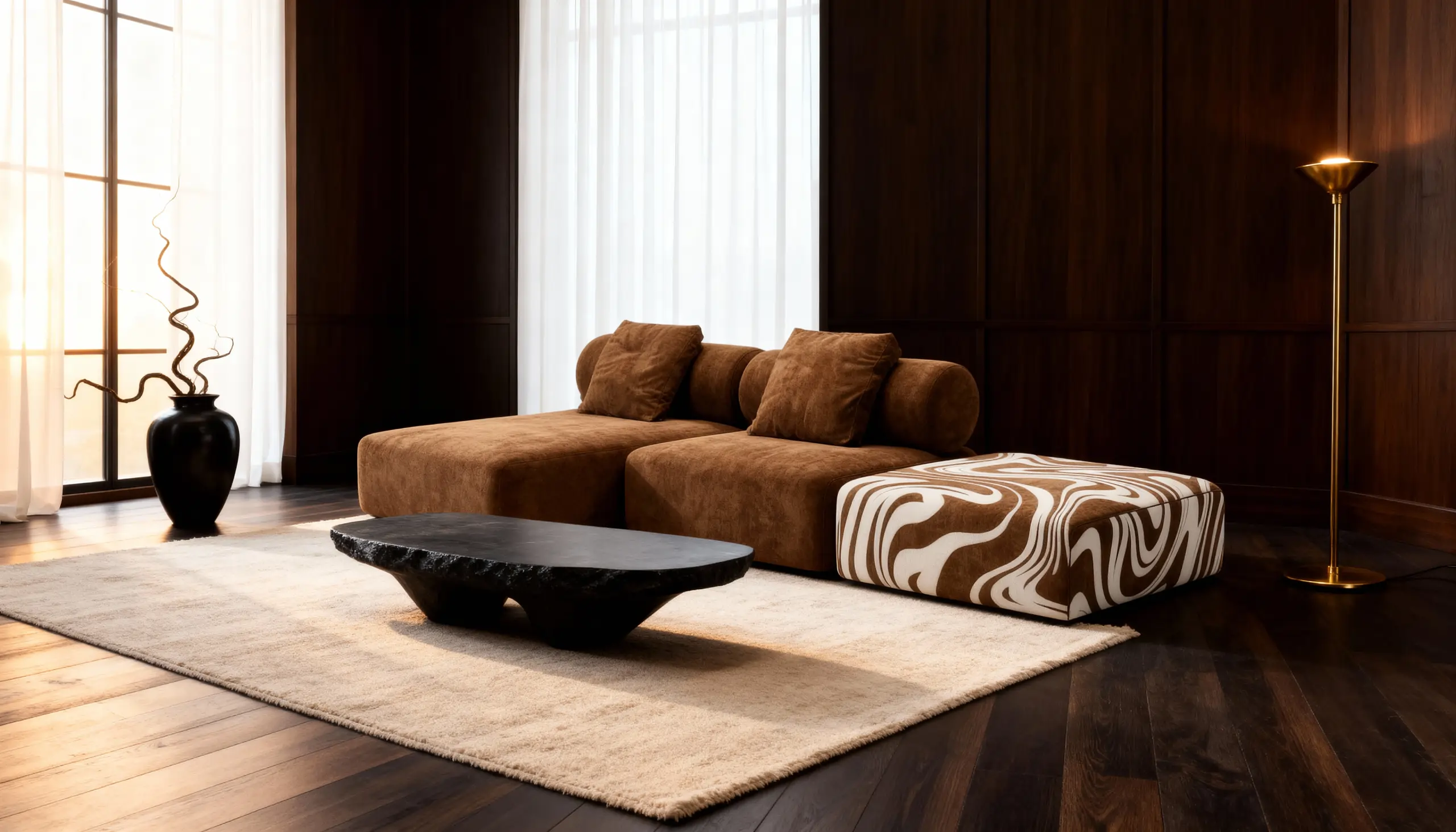
The light here is not in a hurry. It passes through the tall windows, is filtered by the curtains and gently settles on the warm brown planes. The dark walls keep the silence, the floor muffles footsteps, the space seems to hold its breath. Two sofa modules stand low and calm, next to them is an ottoman with a smooth graphic rhythm, like a slow movement of thoughts. The stone table is heavy, grounding. Nothing happens here – and that is what is important.
That’s how they work. waiting sofas, when they are designed not as a “place to sit”, but as an environment where a person moves from tension to peace. In business spaces, medical centers, offices, waiting rooms, it is not a pause between events, but a full-fledged state that either strengthens trust or destroys it. And the sofa at this point becomes a key element.
Waiting as a separate spatial scenario
Waiting does not equal inaction.
Waiting is a moment of internal adjustment.
A person does not yet know how long the pause will last. He does not control the process, but he is already forming an impression. That is why waiting sofas should work with the state: reduce anxiety, do not create a feeling of time dragging on, do not force the body to tense up.
In this space:
-
- moderate landing, without “falling”;
-
- the shape is stable, without aggressive lines;
-
- The composition is balanced.
This is a logic close to sofas for visitors, but with a greater focus on length of stay.
“Quality is comfort that needs no explanation.”
— Masaaki Imai
Waiting is an ideal field for a kaizen approach. Radical solutions are not needed here. The little things matter: seating, material, light, silence. Waiting sofas should age peacefully without losing a sense of stability.
Waiting sofas as an element of the brand and culture of the space
The culture of space begins with how a company treats a person’s time. Waiting is the most sensitive moment of this interaction, because it is here that a person does not control anything, but feels everything. Waiting sofas in such a context cease to be functional filling of the zone. They become a silent marker of culture: whether the brand knows how to pause, whether it respects the visitor’s inner state, whether it is able to create peace without explanation.
A brand in a space does not always have to be visually recognizable. It is much more readable through a sense of stability and predictability. If a waiting sofa does not make you strain your back, does not create a sense of temporaryness and does not look random, the space begins to inspire trust. A person has not yet seen presentations and heard arguments, but he already feels: it is well thought out, there is no rush here, there is a system here.
This is how waiting sofas become part of the culture of the space. They do not demonstrate the brand values directly, but they support them every day – through the repetition of the experience. When waiting is not difficult, when time is not pressing, when the body is not strained, the brand is perceived calmly and confidently. And this feeling remains even after the waiting is over.
A shape that doesn’t fit
The first answer is simple: a waiting sofa should not be rushed.
A too vertical landing creates tension.
Too soft – causes fatigue.
Too formal – increases distance.
In the right solution, the shape works horizontally. It repeats the line of the floor, calms the gaze, and allows you to change your posture. This is how waiting sofas differ from sofas for offices, where it is important to maintain working condition.
Error → solution: when waiting becomes stress
Error: perceive the waiting area as technical.
Decision: design it as a space of support.
Random furniture, harsh lighting, cold materials — all this makes a person feel superfluous. They don’t know where to put their hands, their eyes, their time.
The right sofas for waiting:
-
- allow for bodily pause;
-
- do not require a “correct” posture;
-
- They don’t make you count the minutes.
This approach resonates with the logic sofas in corporate style, where furniture works with feelings, not with decor.
Materials that keep calm
In this interior, the materials are warm and deep. The brown fabric absorbs light, does not reflect it sharply, does not change its character at different times of the day. It is tactile, but dense – creates a feeling of reliability.
A pouf with a flowing print adds rhythm but doesn’t break the silence. This is a technique often used in sofas with print, when graphics work as a soft visual accompaniment, rather than as an accent for the sake of attention.
Waiting sofas as part of the brand
Even if the brand doesn’t realize it, expectations always convey values.
Through:
-
- patience or haste;
-
- concern or indifference;
-
- order or chaos.
Waiting sofas become a silent indicator of the culture of the space. If a person is comfortable waiting, it is easier to trust them. If the space is calm, the tension decreases even before the interaction begins. That is why companies that think systemically consider waiting sofas in a unified logic with corporate style sofas, and not as a separate purchase.
Table: waiting room sofas vs reception room sofas
| Criterion | Waiting sofas | Sofas in the reception room |
|---|---|---|
| Duration | Medium / longer | Short |
| State | Comfort | Recollection |
| Landing | Balanced | Restrained |
| Role | Support | Representation |
| Influence | Voltage drop | Forming a first impression |
Usage scenarios
-
- Waiting for admission
-
- Pause before the meeting
-
- Break between process stages
In each of them, waiting sofas should remain inconspicuous but reliable.
Final chord
The light changes slowly. The shadows become softer. The space is not empty—it is focused. The sofa does not attract attention, but it holds its position. Waiting here is not difficult.
Waiting sofas don’t shorten time. They change the way we feel about it. And if we go back to the original scene, it becomes clear: they’re not just waiting here. They’re allowing us to calm down.